
A film you can look around in
360-degree video production
A member of staff explains what you see. The film plays while the viewer chooses where to look. A 360-degree video shows what happens in a place, with its surroundings in view. Zien360 creates these films for projects such as Rijnstate’s patient information.
A selection of our work
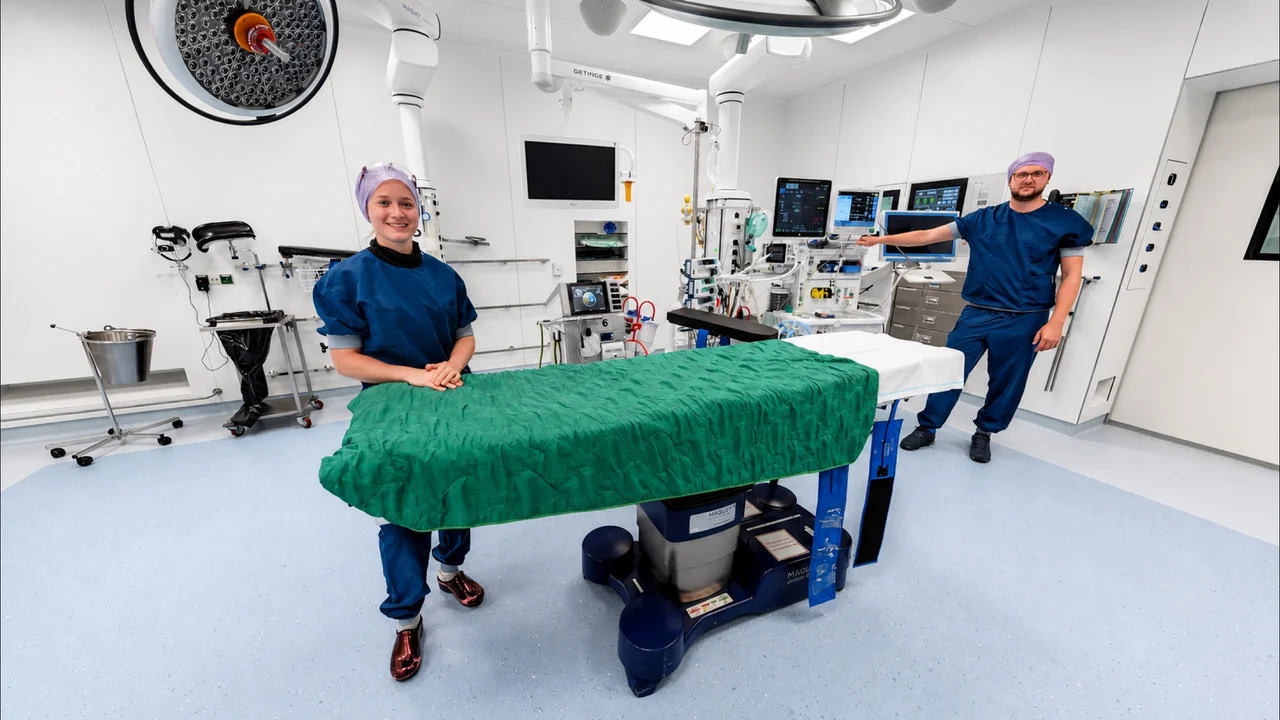
Rijnstate: a film from inside the room.
Look around the operating theatre while the explanation continues. The case study describes the tour for children and parents. Further down, explore the separate 360-degree films in the new intensive care tour.
Rijnstate
Arnhem
360-degree explanations in the intensive care room
In the new intensive care tour, the room opens explanations by an intensive care specialist and a speech and language therapist, and about physiotherapy. The tour’s introduction may appear first. Look around while the film plays; ‘Video stoppen’ takes you back to the room. The spoken explanations are in Dutch.
What is a 360-degree video?
A 360-degree camera records the surroundings in every direction. During playback, viewers choose where to look: at the speaker, a piece of equipment or another part of the room. The film has a timeline, so events continue in a chosen sequence.
This can help when an explanation needs its surroundings. A healthcare professional might describe what is in a treatment room, or an employee might demonstrate part of their work. We begin with what the viewer needs to understand, then choose the camera position and the explanation.
Rijnstate: explanations in the intensive care room
For Rijnstate, we created 360-degree videos within an interactive hospital tour. In the new intensive care tour, clickable points in the room open explanations by an intensive care specialist and a speech and language therapist, and about physiotherapy. Visitors choose which explanation to open.
As a film plays, the room remains visible around the viewer. They can follow the speaker and look at the surroundings being discussed. Stopping the film returns them to the intensive care room, giving each explanation a recognisable place within the tour.
The earlier Rijnstate tour for children and parents also contains 360-degree films, including the operating theatre, holding area and recovery room. This is a separate tour from the new intensive care project. Both show how film and an environment visitors explore themselves can work together.
Choosing between film, a photo tour and FPV
If you need to show how something unfolds, with movement and spoken explanation, a 360-degree film may suit the brief. You choose the sequence of the story; viewers choose where to look while it plays.
If the aim is to explore rooms without a fixed running time, an interactive virtual tour lets visitors choose their next viewpoint and open information at their own pace. Conventional videos or 360-degree films can be included, as at Rijnstate.
An FPV drone video takes viewers along a route filmed in advance. The edited camera images determine where they look. The right format depends on what you want to show and how people will view it.
Preparing a shoot that records every direction
A conventional film can keep something outside the frame. A 360-degree recording needs the whole environment checked. What is behind the speaker? Are screens, names or belongings visible that should not appear? We discuss which room will be ready and who will be present.
The explanation and sound need the same attention. Agree who speaks, what happens and which details the viewer should follow. A short explanation of one situation needs a different shoot from a process with several steps. Together, we choose the scenes and what must be ready on filming day.
Where will people open the film?
In the Rijnstate examples, the video opens from the virtual tour. Visitors can watch the explanation without leaving the room. For your project, we discuss where the film will appear and how people will open it.
A website application needs its player and controls checked on a computer and mobile device. If you plan to use a VR headset, we discuss and test that setup separately. Tell us where the film needs to work so the recording and delivery can be planned around it.
To understand which explanations visitors open, read how to plan measurement for a virtual tour and distinguish between different actions.
What does a 360-degree video cost?
The price depends on the number of scenes, locations, filming time and production work. One speaker in one room is a different brief from several explanations involving different people and actions.
We propose the agreed recording, editing and placement. The brief also covers spoken explanations, sound or subtitles where needed, and how the first version will be reviewed. Hosting and later updates are discussed for the project.
Tell us the location, audience and what you want to explain. Include whether the film will stand alone or form part of a virtual tour. We can then propose suitable scenes and costs through your request for a price estimate.