- Client
- Conservatorium van Amsterdam
- Service
- Virtual tour, 360° photography and video hotspots
- Location
- Amsterdam
An extensive digital tour of concert halls, studios, teaching rooms and facilities, with information points and videos for prospective students and other visitors.
How do you let prospective students, parents, musicians and other interested visitors experience what happens behind the façade of a major conservatoire? Zien360 created an extensive virtual tour for the Conservatorium van Amsterdam that goes far beyond a series of panoramic photographs. Visitors explore the building independently, discover concert halls and studios, and gain a vivid impression of studying, rehearsing and performing through information points and videos.
The tour brings the scale and diversity of the conservatoire together in a clear experience. From the entrance and foyer to specialised teaching rooms, professional recording studios, the library and views across Amsterdam: every space forms a new chapter in the story of this music academy.
A digital visit that immediately feels familiar
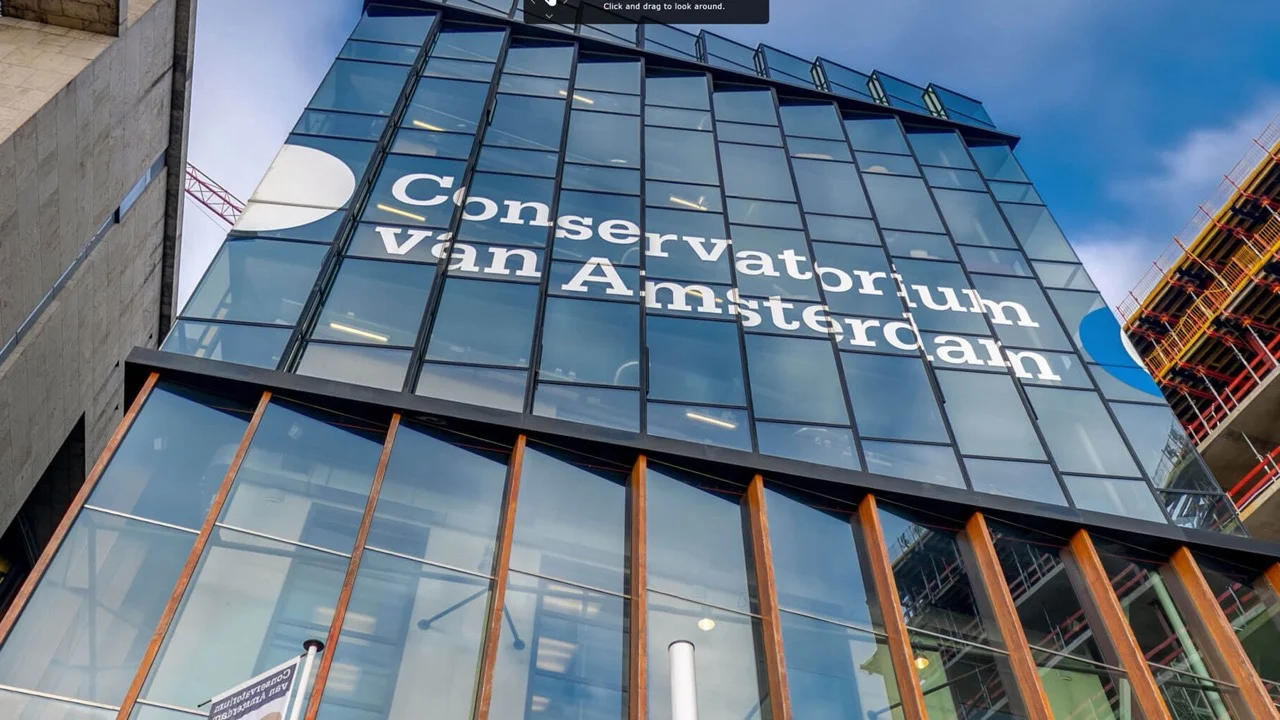
The route starts at the entrance and leads into the spacious foyer. Here, visitors discover not only how the building is organised, but also where important facilities are located. Information hotspots explain Bar Boon and the service desk, among other things. From this central point, visitors can continue to the various venues, teaching rooms and studios.
This freedom to navigate matters. A prospective student may want to explore the teaching rooms first, while a concertgoer may be most curious about the performance spaces. The virtual tour does not impose a fixed order. Everyone sets their own pace and route without losing their bearings.
The Bernard Haitink Hall from stage to balcony
One of the most impressive places in the tour is the Bernard Haitink Hall. The concert hall seats hundreds of visitors and can be viewed digitally from several positions. The view from the auditorium clearly shows the stage and acoustic design, while the rear and balcony viewpoints reveal the true scale of the space.
Video hotspots add sound and movement to the 360° imagery. Visitors therefore see not only where musicians perform, but also gain an impression of the atmosphere during a concert. The hall becomes more than an empty space in a photograph: it becomes a place where music genuinely comes to life.
Jazz at Amsterdam Blue Note
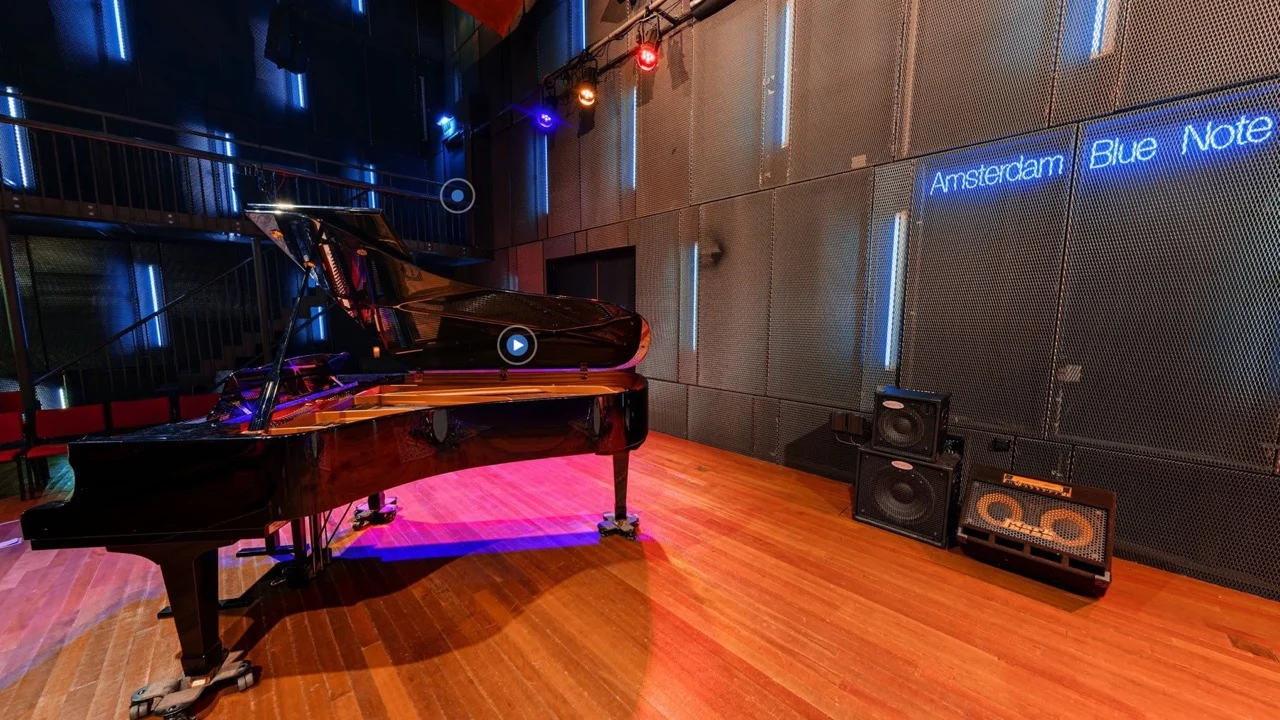
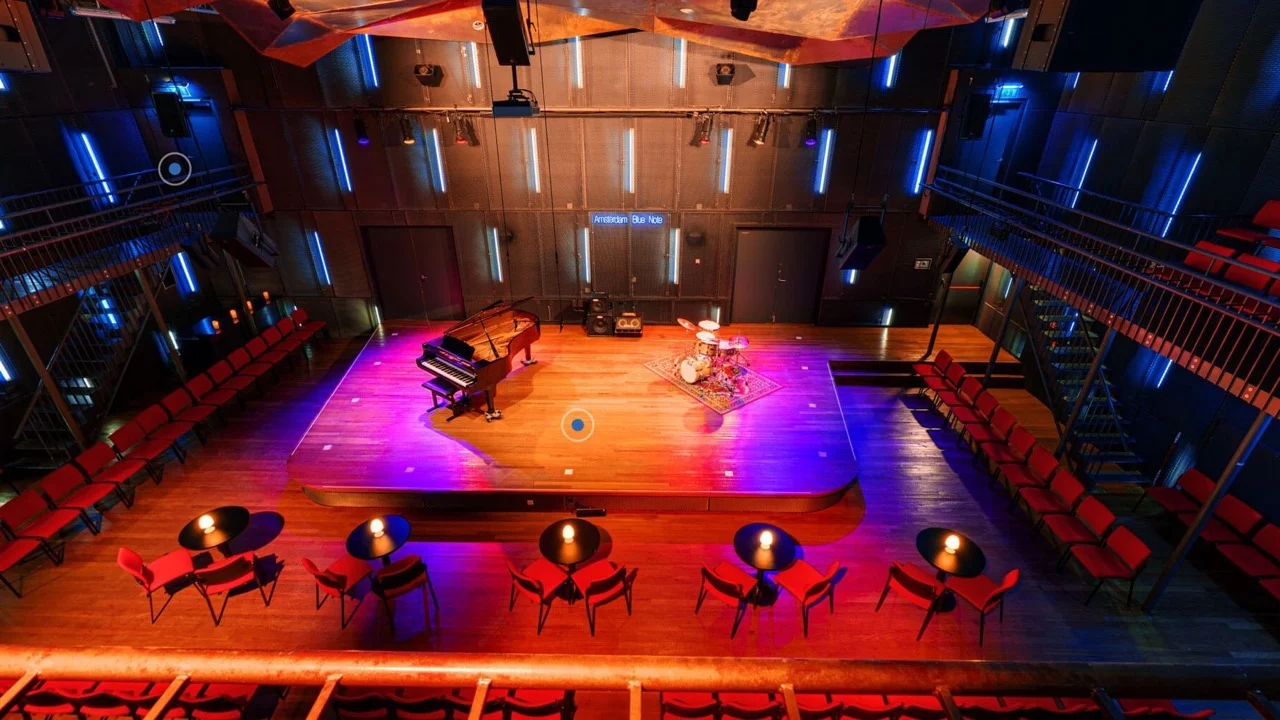
Amsterdam Blue Note has a character all its own. Its low stage, intimate layout and lighting immediately create a different concert experience from the main hall. Visitors can explore both the auditorium and balcony and use a video in the tour to experience how the room sounds and feels during a performance.
This variety is precisely what makes the tour so effective. It shows that the conservatoire does not represent a single musical style or one type of teaching space, but accommodates a wide range of genres, ensembles and ways of performing.
From the Sweelinck Hall to the Theatre Hall
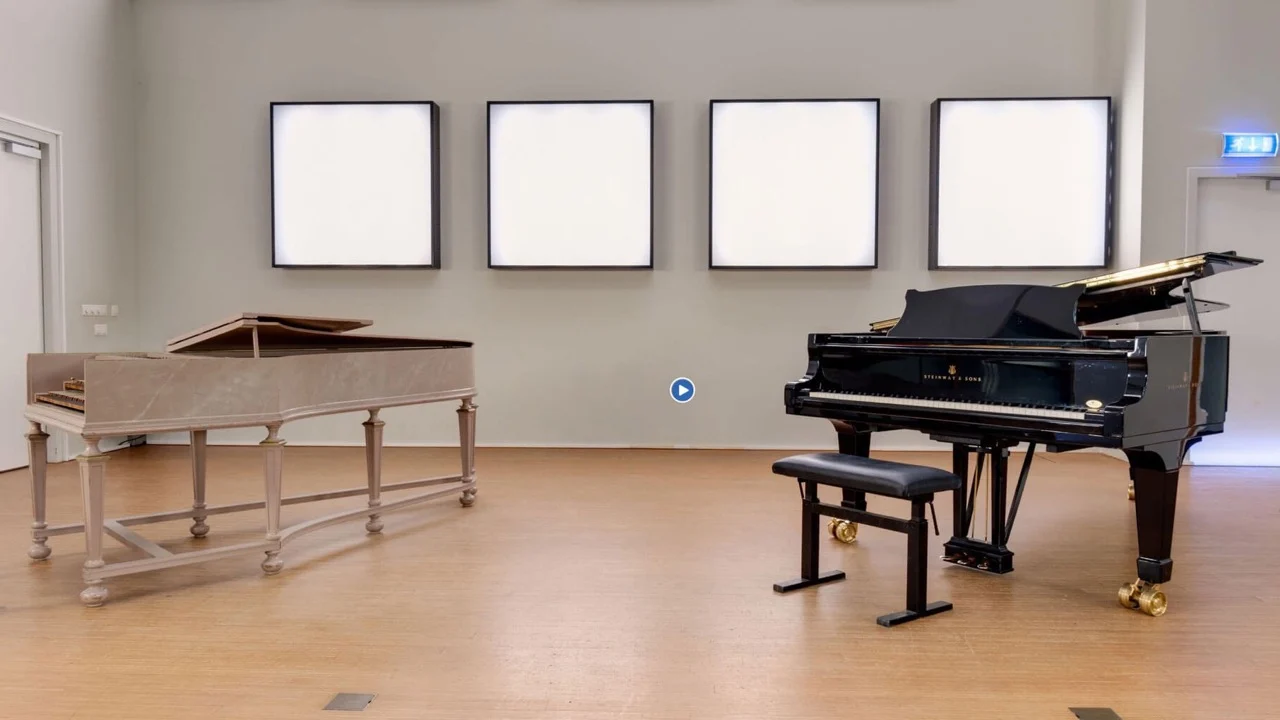
In addition to the Bernard Haitink Hall and Amsterdam Blue Note, the tour includes the Sweelinck Hall, Theatre Hall and an Ensemble Room. Each space has a recognisable appearance and purpose. The grand pianos take centre stage in the Sweelinck Hall, while the Theatre Hall presents another side of the building through its stage technology and flexible use.
Video clips can be opened throughout the tour. Performances, lessons and presentations add context to the panoramic imagery. This is especially valuable for prospective students: they do not merely see a classroom, but also discover how education and musical practice come together there.
Behind the scenes in Studio -2
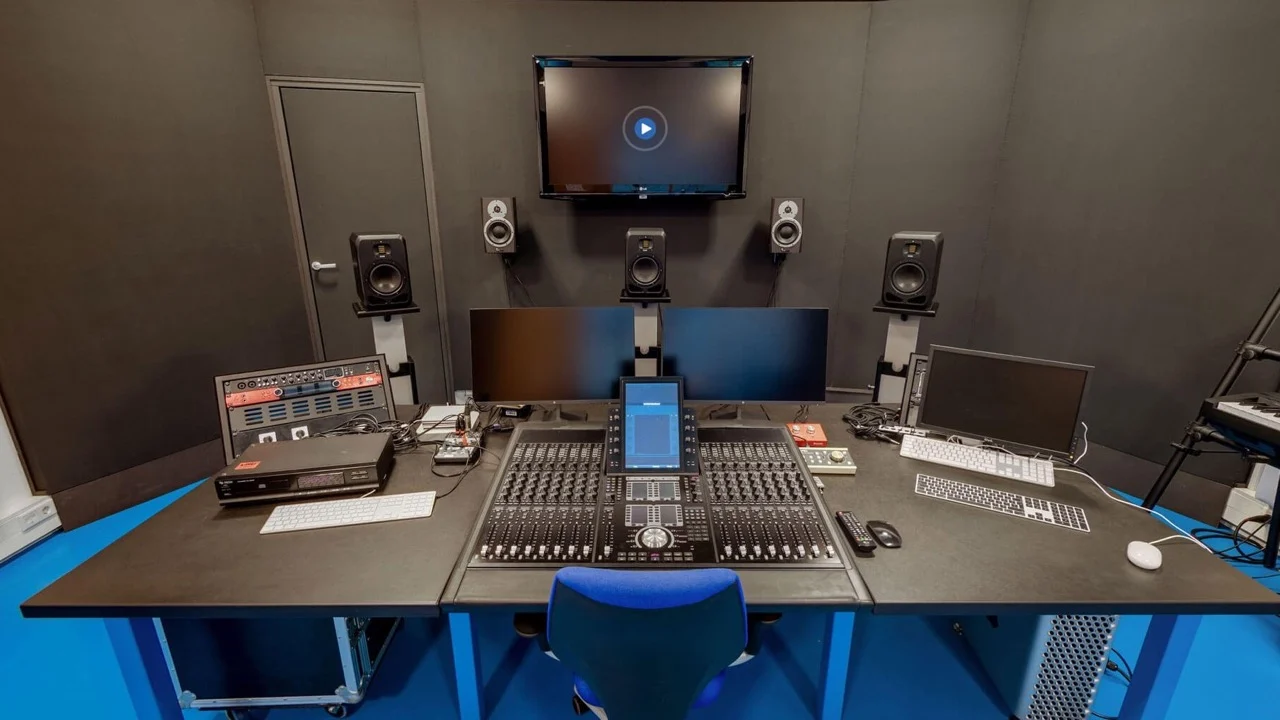
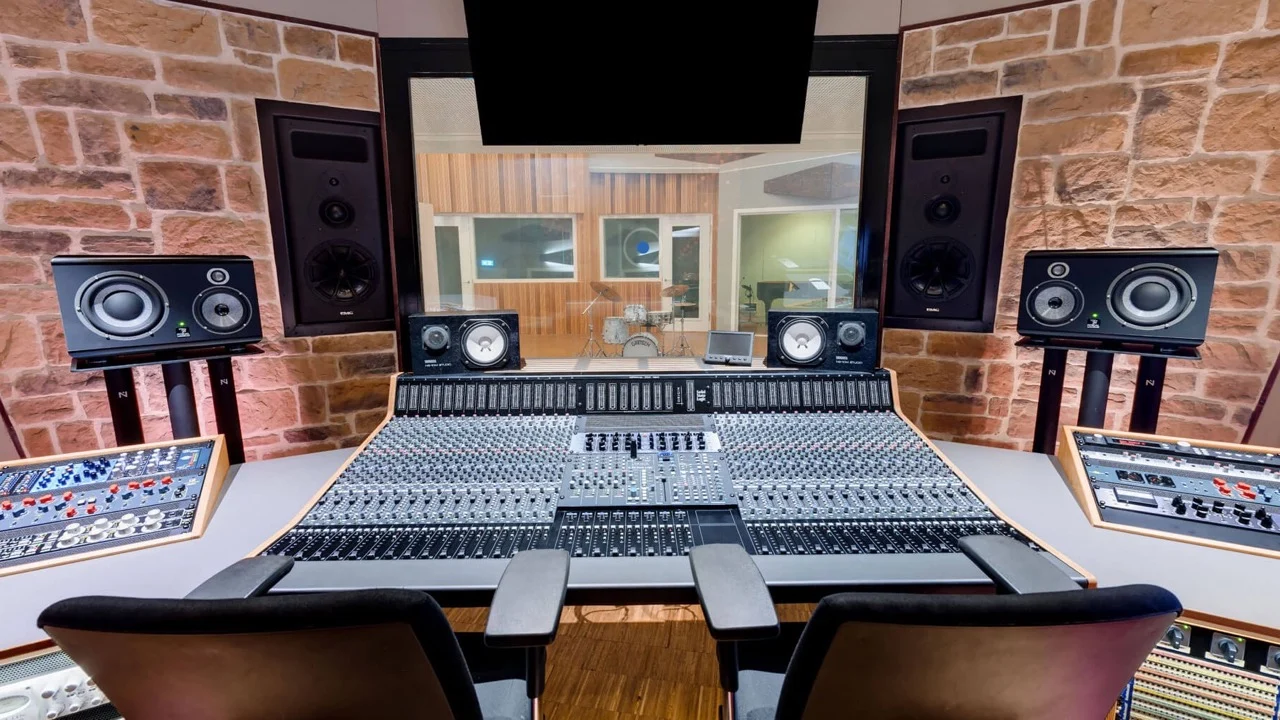
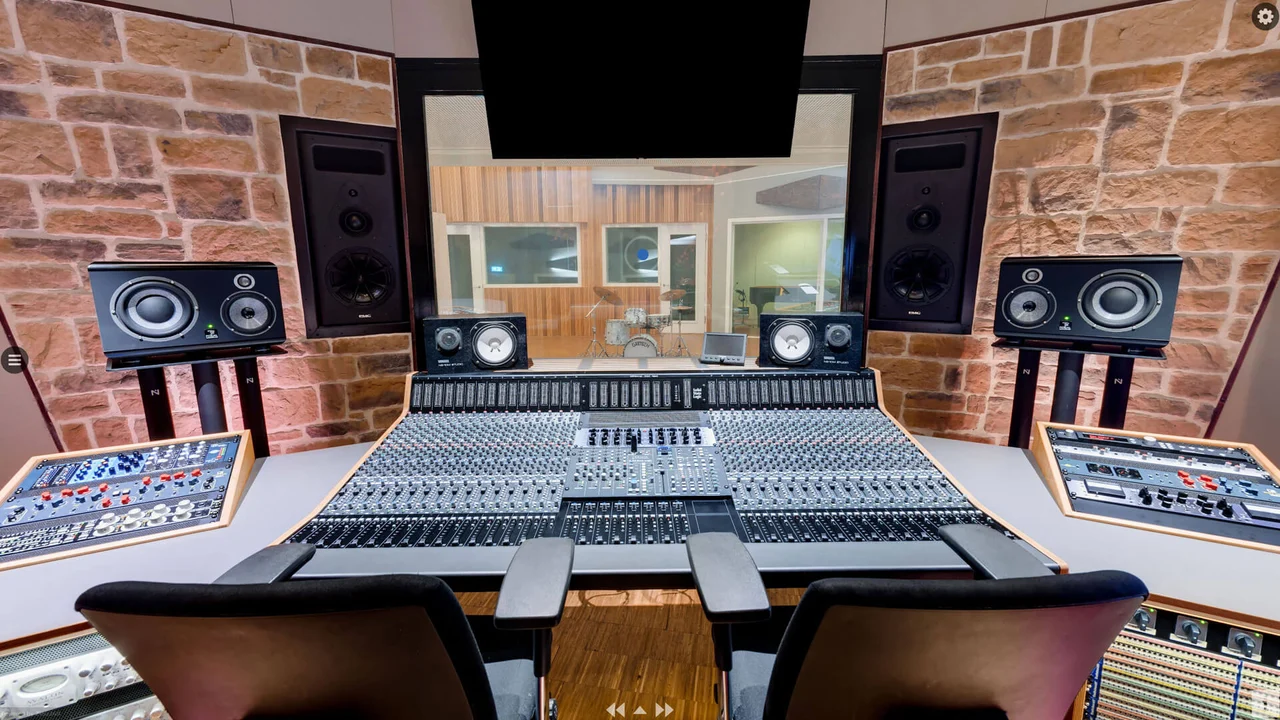
The virtual tour also opens doors that are not always all accessible during a regular introduction. Studio -2 is a fine example. In the control room, visitors are surrounded by mixing consoles, monitors and recording equipment. A view into the recording room shows how technicians and musicians collaborate during a session.
The separate recording room, with its instruments and acoustic treatment, shows the other half of the process. Together, these two viewpoints tell a complete story: from making music to recording, listening and refining it.
Discover specialised lessons and instruments
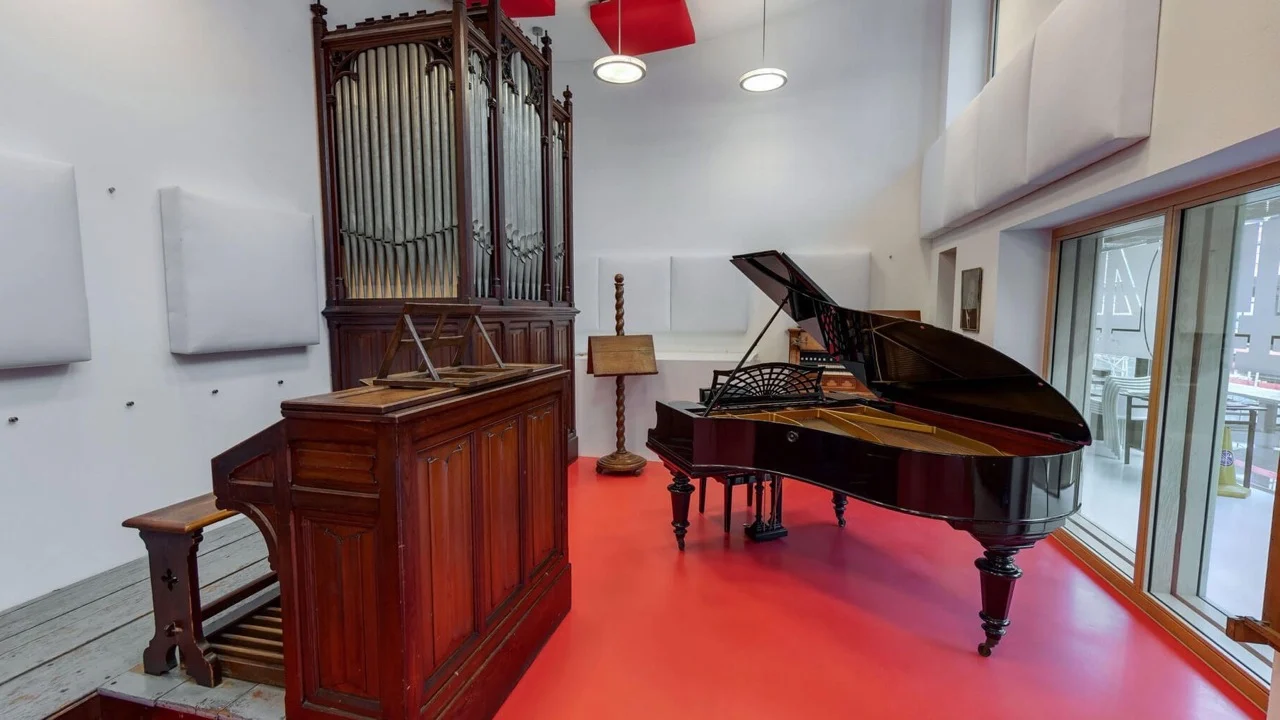
A wide range of disciplines appears further along the route. There are rooms for jazz piano and music theory, a music-production studio, electronic drum kits, and classrooms for early music and music education. The organ room is included as well. Its monumental instrument provides a striking contrast with the building’s modern acoustic panels and technology.
In the music-education and percussion rooms, cabinets and racks are filled with instruments. The 360° view allows visitors to look around at leisure and discover details that can easily disappear in a standard overview photograph. The tour therefore shows not only the architecture, but above all how intensively the building is used.
Information and video at the right moment
The strength of this tour lies in its combination of imagery, route and depth. Informative hotspots appear wherever explanation is useful. Videos are linked to the halls and teaching rooms they relate to. Visitors therefore do not need to work through a long text or separate video page, but receive context exactly where it becomes meaningful.
- Navigate freely through more than twenty viewpoints in the building
- Concert halls, studios, teaching rooms and general facilities in one route
- Information points explaining rooms and facilities
- Videos of performances, lessons and special moments
- A convincing online introduction for students from the Netherlands and abroad
A surprising finale above Amsterdam
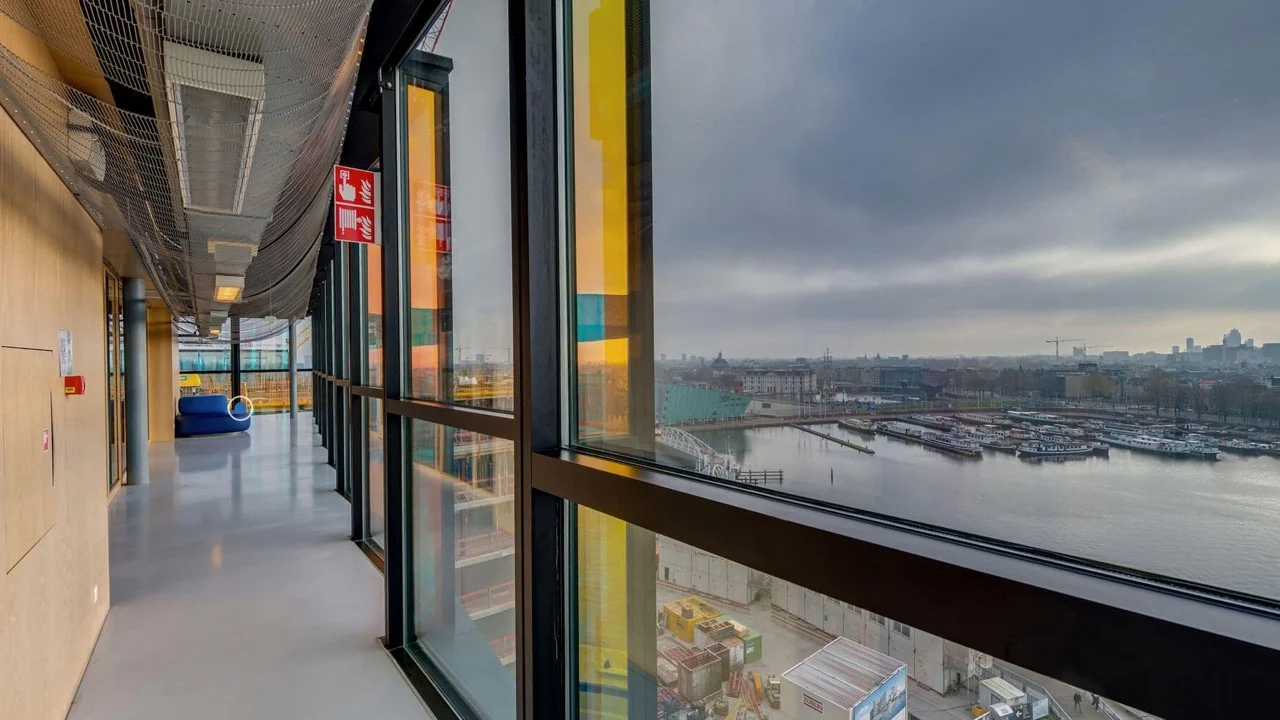
The route is not limited to education and performance. The library and corridors on the upper floors are part of the experience too. Eventually, visitors arrive at the view across Amsterdam. The tour thus ends with a sense of the conservatoire’s special location and the city in which students shape their musical development.
An online open day that is always available
For the Conservatorium van Amsterdam, the virtual tour functions as an open day that is always accessible. International students can explore the building before travelling to the Netherlands. Dutch school students and their parents can orient themselves together and return later to a particular hall or department. Concertgoers, partners and alumni also gain an accessible way to experience the building again.
The tour does not replace a visit in person, but makes the first introduction richer and more concrete. When visitors later step inside, they recognise the foyer, know where the halls are and already understand the wide range of possibilities within the building.
Why this approach works
- Prospective students can explore halls, studios and teaching spaces from home.
- Videos show and let visitors hear how the spaces are used for lessons and performances.
- Information points explain the facilities along the route.
Get to know the building before your visit
From concert halls and studios to teaching rooms and the rooftop terrace: prospective students and visitors can discover where music is made before they arrive.